
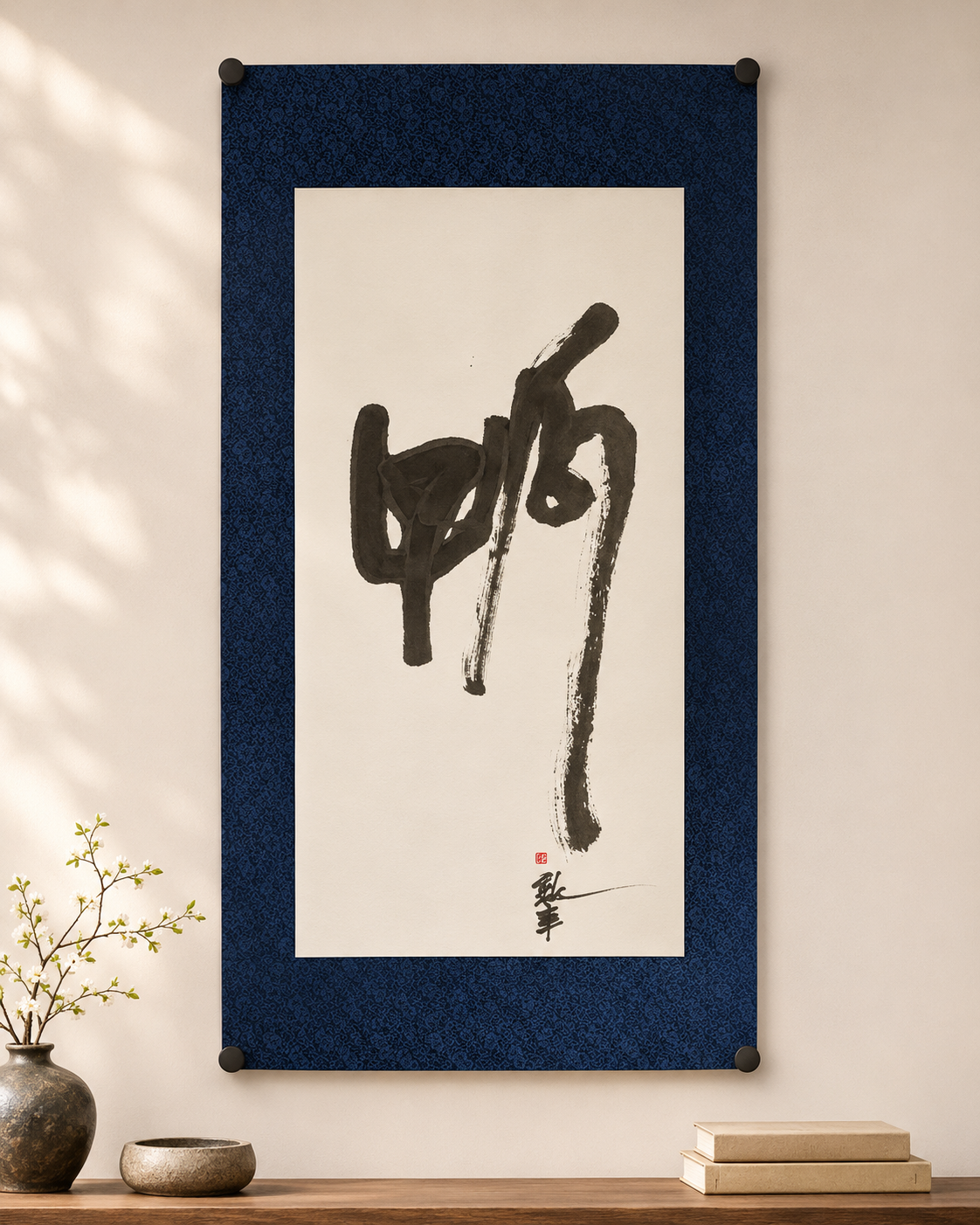
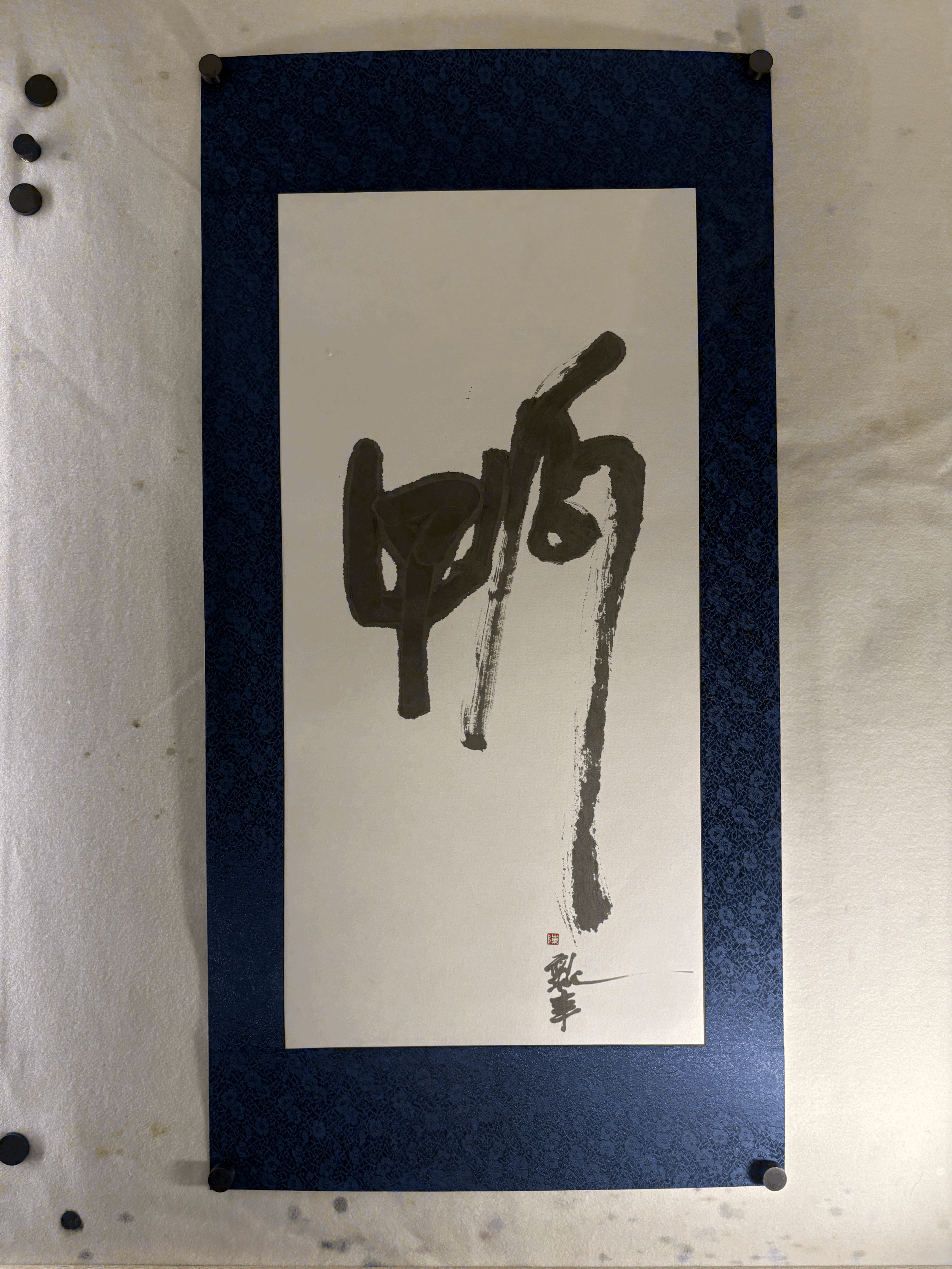
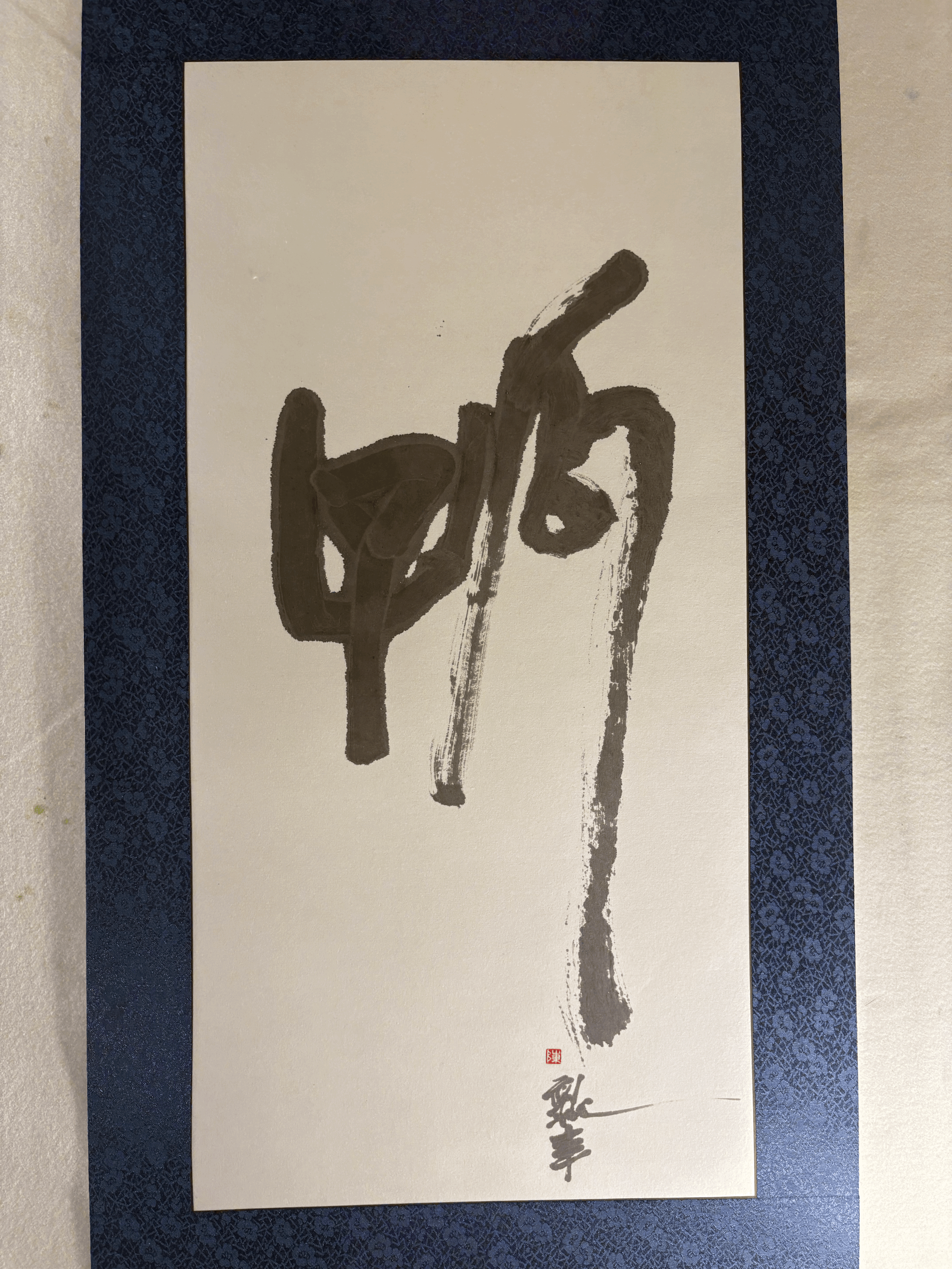
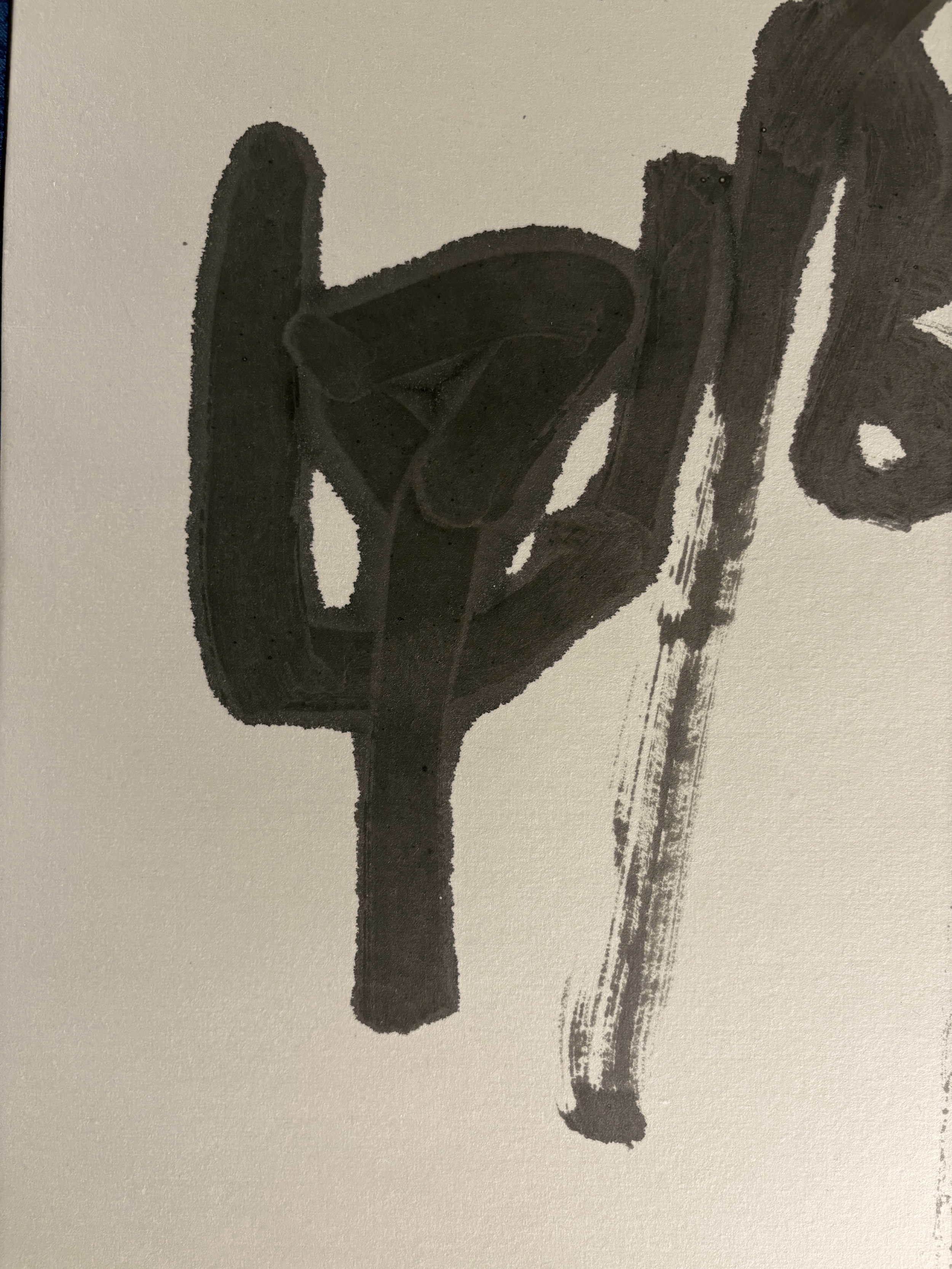
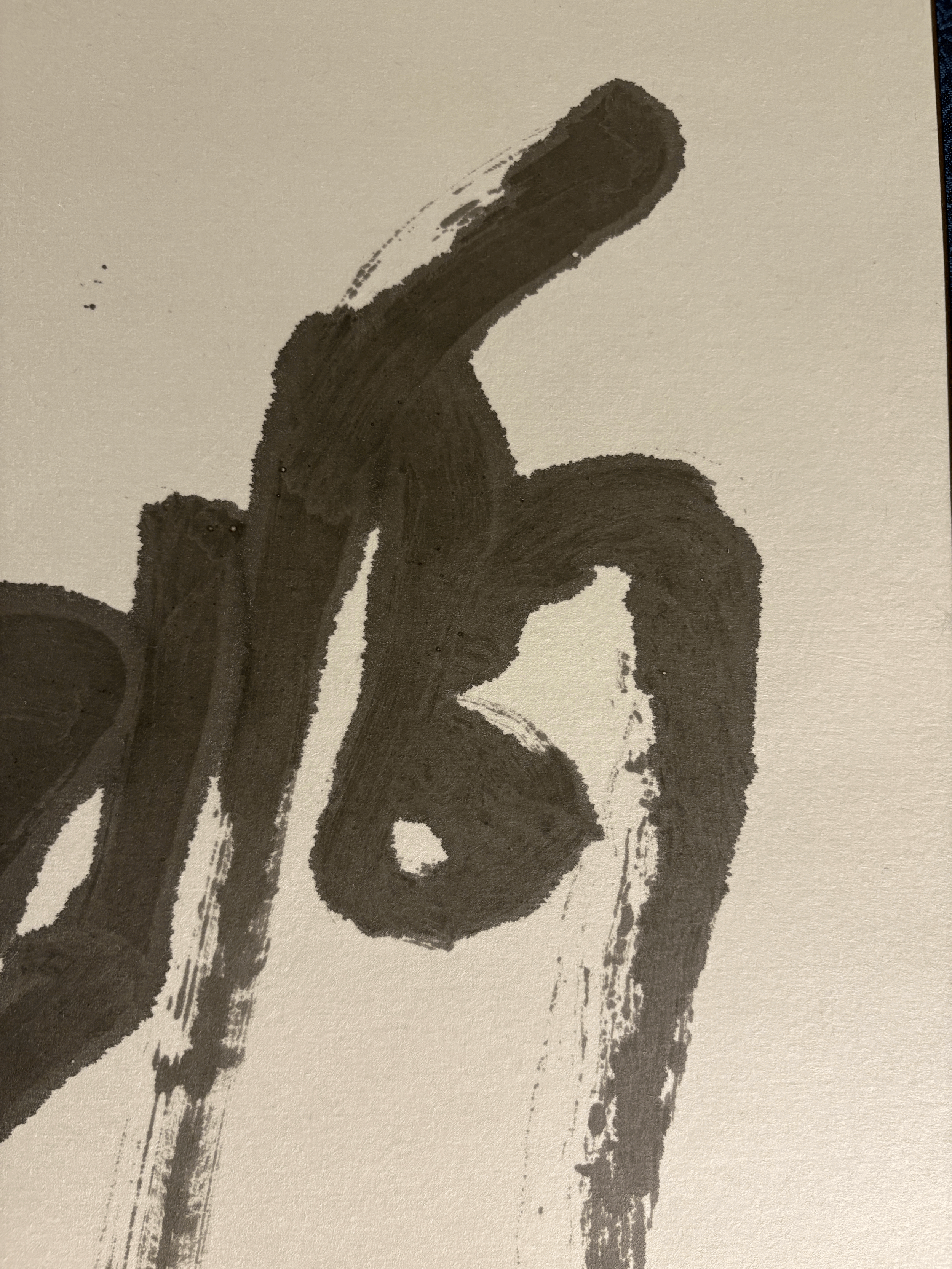
In ancient China, emperors sometimes referred to themselves as Gu (孤), a word meaning “alone” or “solitary.”
But perhaps, deep within our hearts, we are all Gu.
No matter how deeply we love or understand another person, there remains a place within each of us that no one else can fully enter.
This is not necessarily loneliness. It is part of the mystery of human existence.
The Tang Dynasty poet Chen Zi’ang once stood beneath the vastness of heaven and earth, contemplating those who had come before him and those who would follow. Overwhelmed by the endless passage of time, he wept.
I do not see his tears simply as an expression of sorrow or disappointment. To me, they reveal a moment when a deeply quiet mind suddenly touches the mystery of time — and discovers the profound solitude of existence.
Centuries later, Su Shi wrote of a solitary figure moving through the night, as elusive as the shadow of a lone wild goose.
In both poems, I sense something beyond sadness: a quiet awareness of the self within an immeasurable universe.
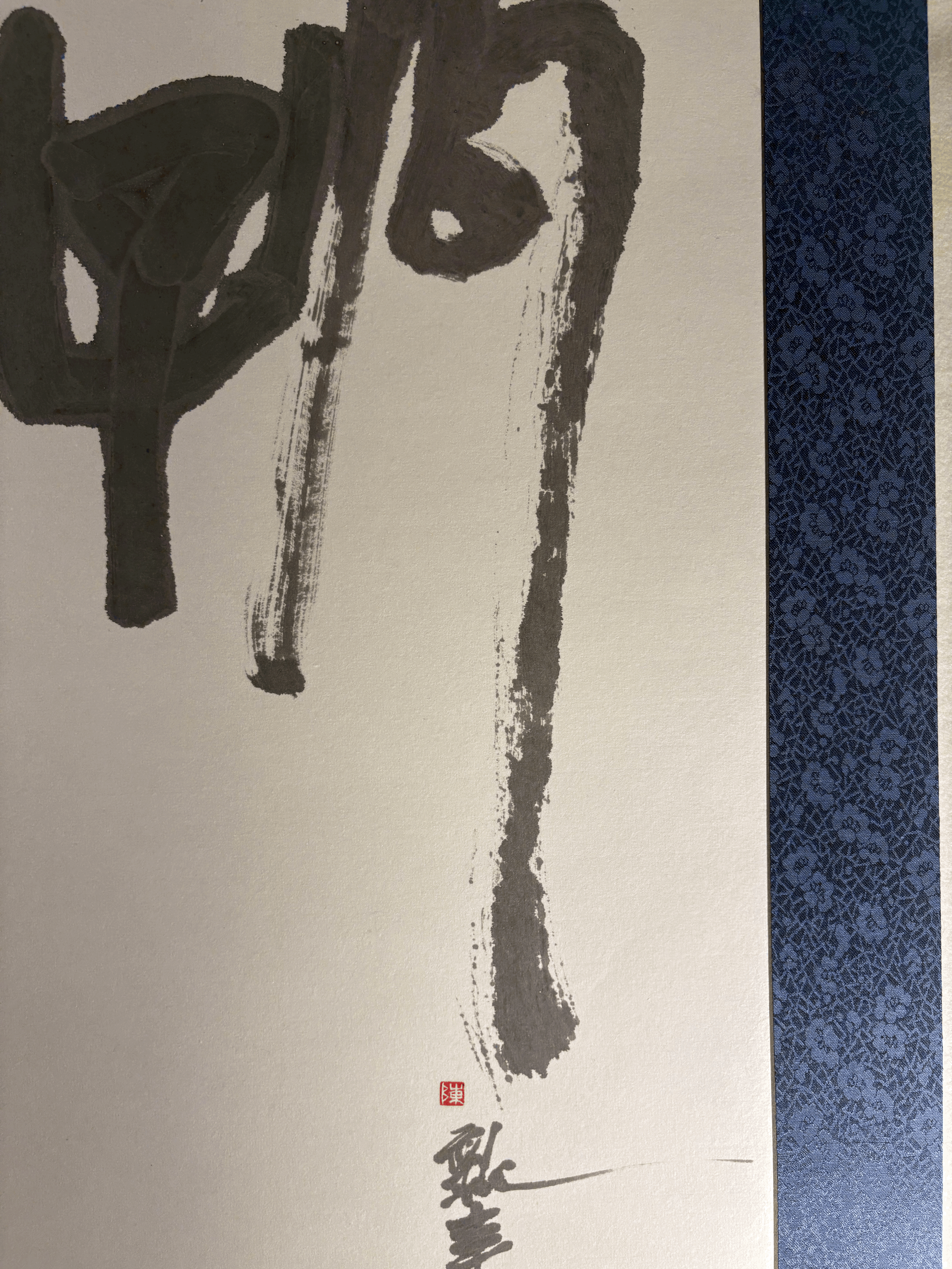
In creating this single Chinese character, I allowed the brush to move between dense, powerful strokes and long, fading traces of ink.
The character stands alone, yet it is complete.
Perhaps true peace begins when we no longer fear the solitude at the center of our being.
Artwork: 33 × 65 cm
Mounted size: 88 × 45 cm
Medium: Chinese ink on paper
Style: Expressive seal script calligraphy
Artist: Gengxin Chen